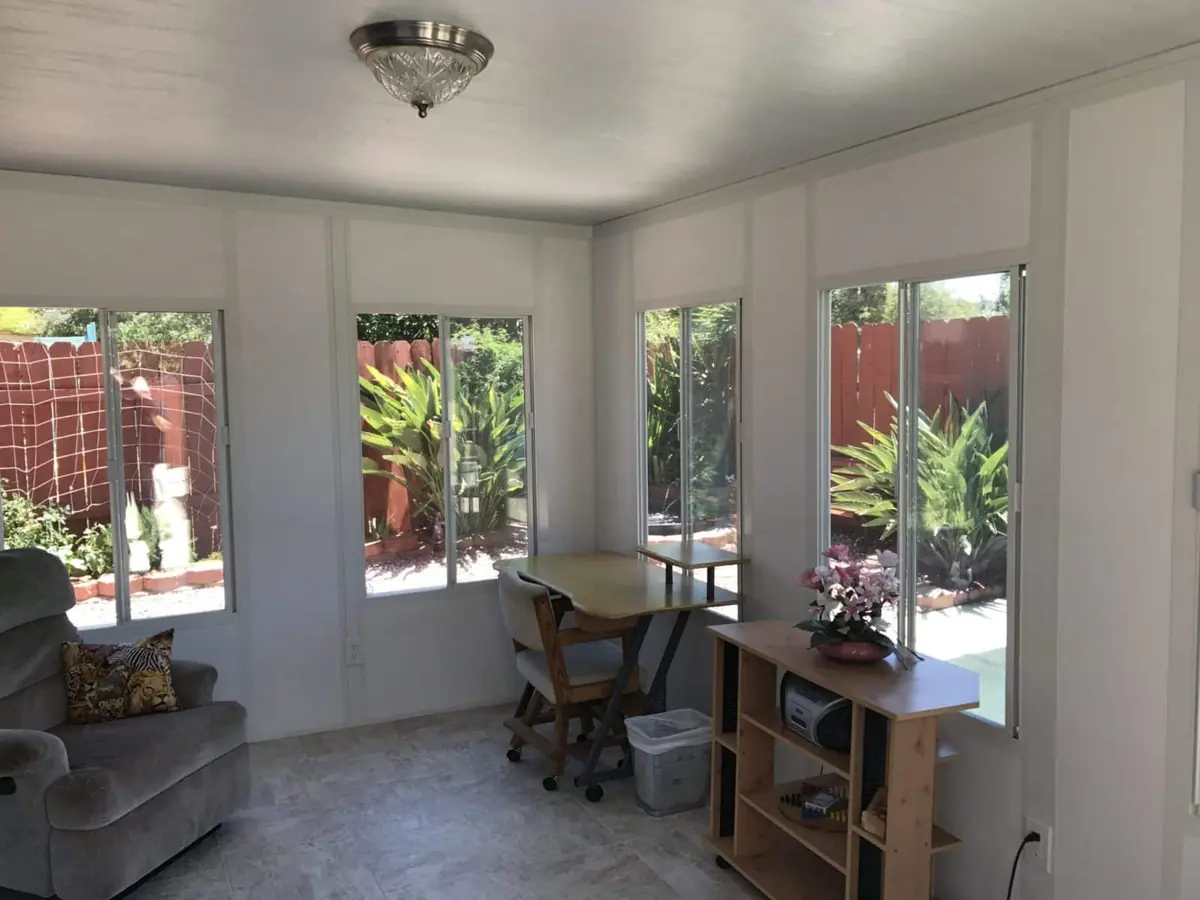
What makes a room four-season
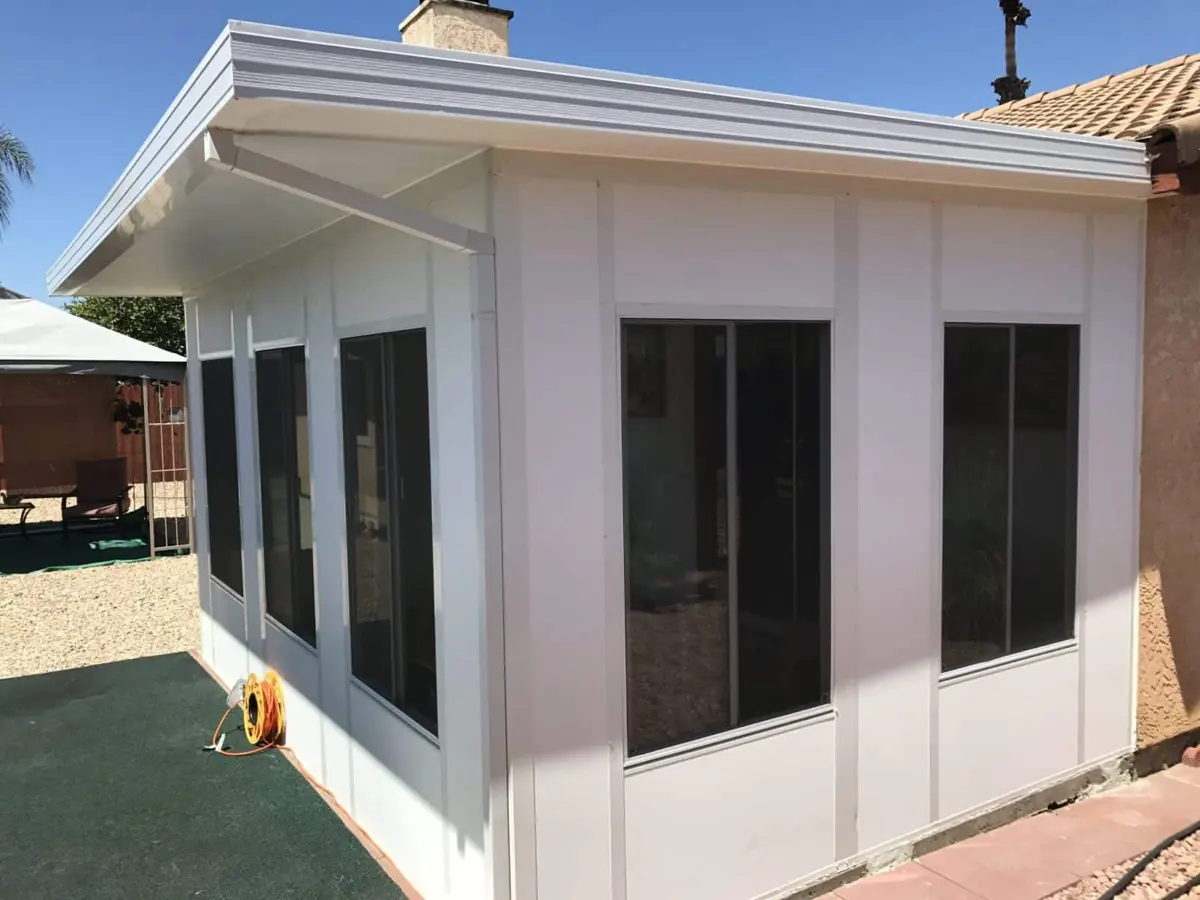
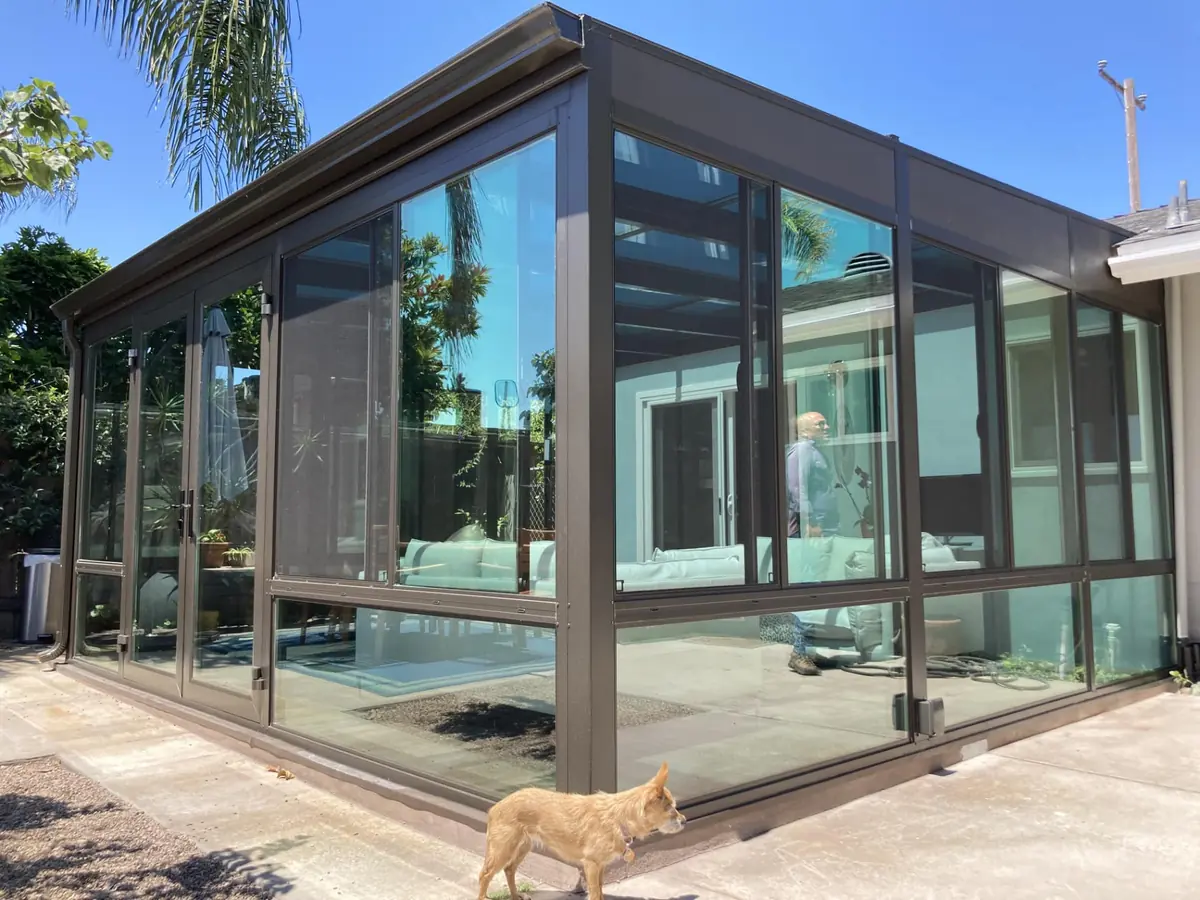
A four-season sunroom has an insulated roof and walls, energy-efficient glass and its own heating and cooling, usually a ductless mini-split. It is built to the same standards as the rest of the house, so it can open directly to your kitchen or family room and work as everyday living space.
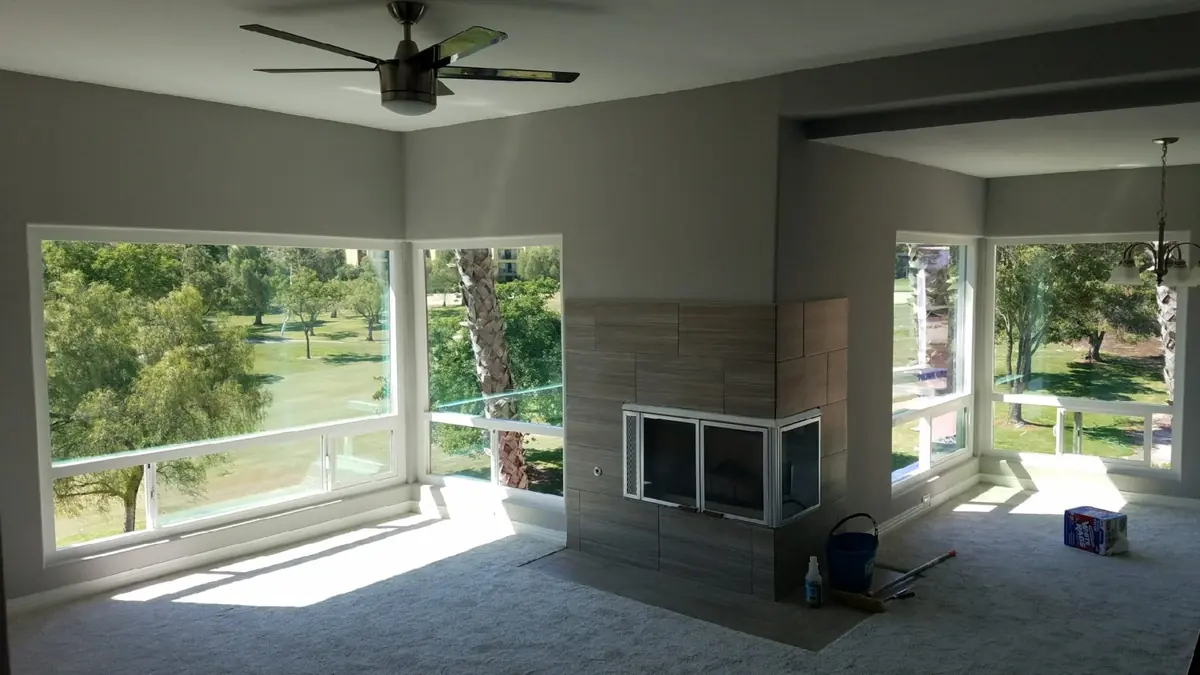
Why San Diego homeowners choose one
- Year-round use. Inland summers and cool coastal evenings stop being a problem.
- Real square footage. A family room, office, playroom or dining area without a full room addition.
- Light without the heat. Low-E glass and an insulated roof keep the room bright without baking it.
Glass and roof choices
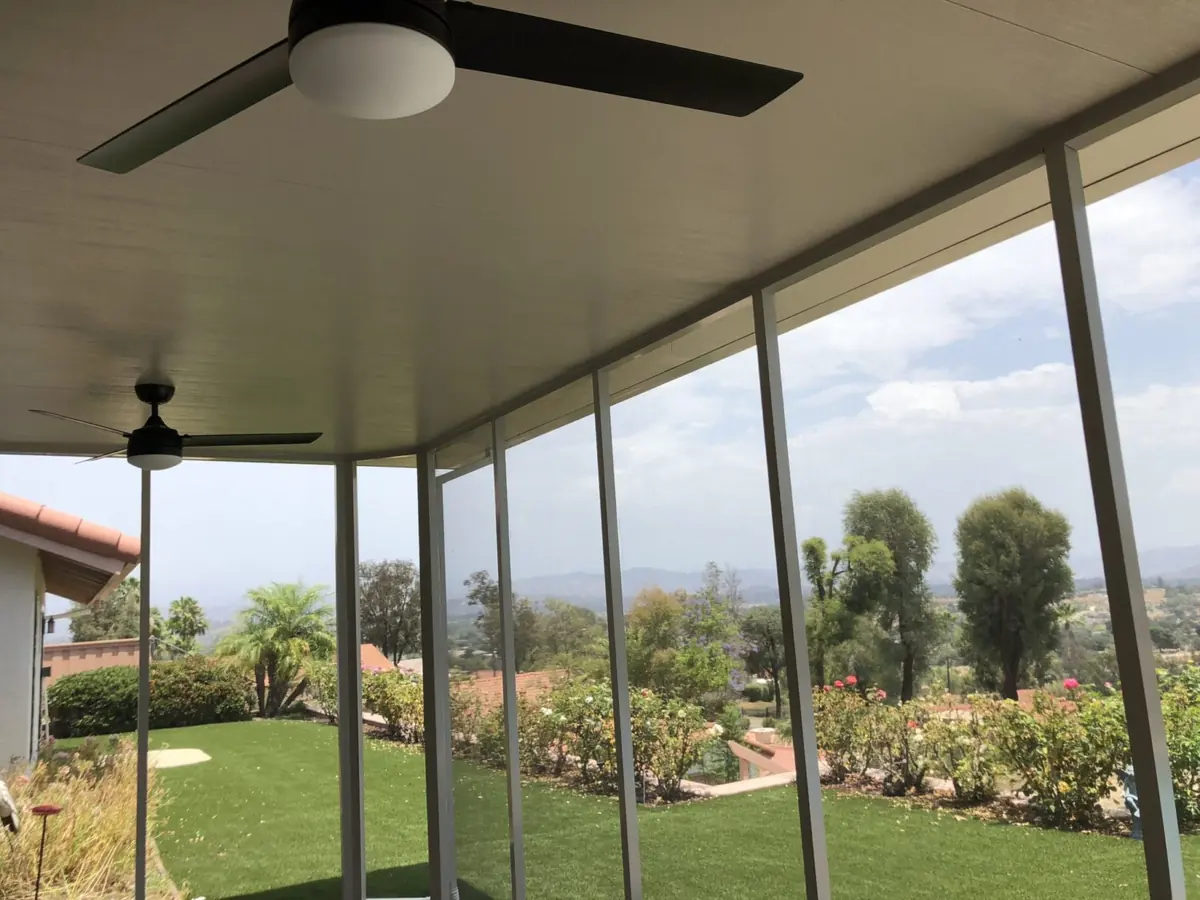
Most four-season rooms pair an insulated solid roof with large windows on three sides. Low-E, dual-pane glass is standard and matters most on south and west walls. Skylights or a partial glass roof add light, but they also add heat, so they work best on shaded or north-facing rooms or with good shading.
Permits and energy rules
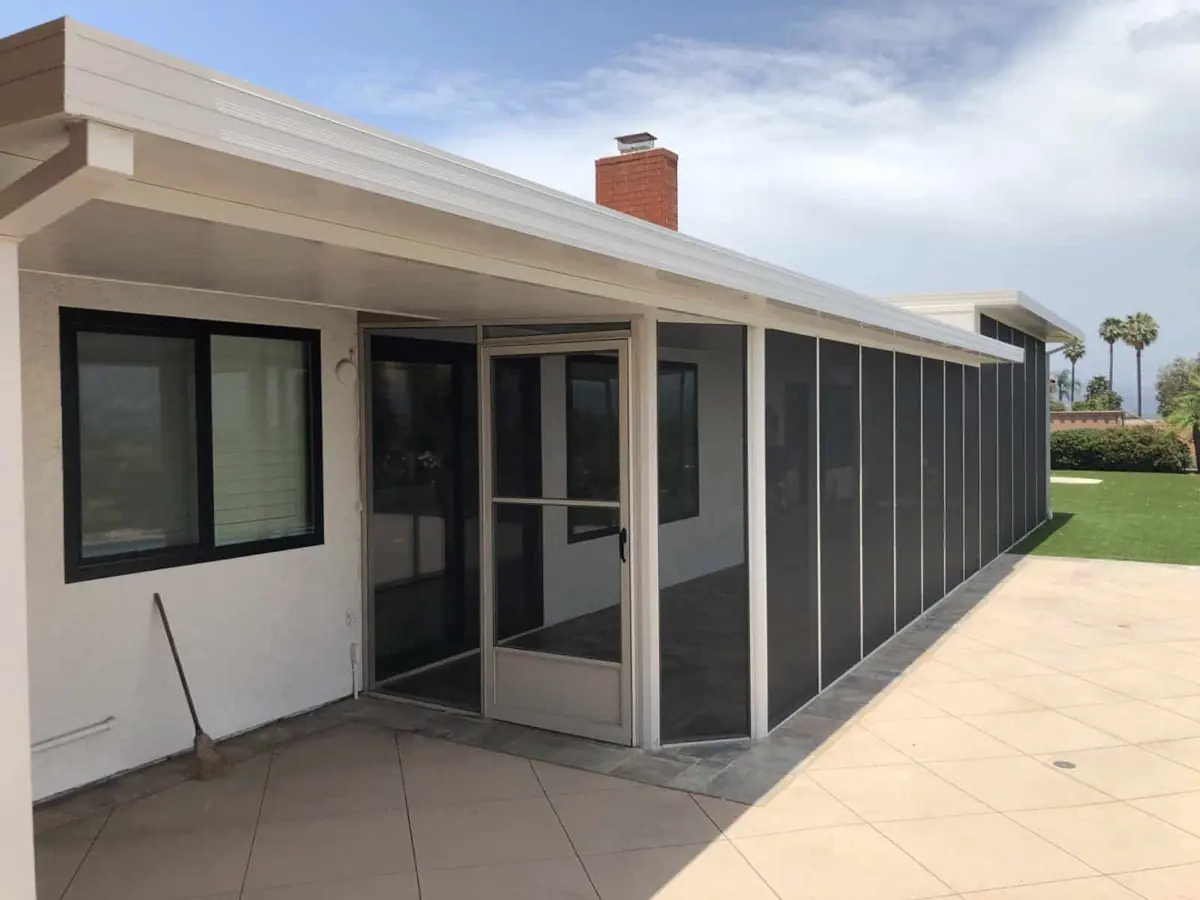
Sunrooms are reviewed as additions in most San Diego County cities, so plan on a building permit with structural plans. Building codes sort sunrooms into categories, from screen-only rooms up to fully conditioned rooms that open to the house, and the category sets the requirements for glass, structure and energy performance. A conditioned room also has to meet California's energy code. Your contractor should handle the plans and permit and include them in the quote.
What it costs
Four-season rooms are the most expensive option. National figures range from about $25,000 to $120,000, and San Diego estimates average around $180 per square foot. Size, glass, foundation and HVAC drive most of the price. See the sunroom cost guide for details.