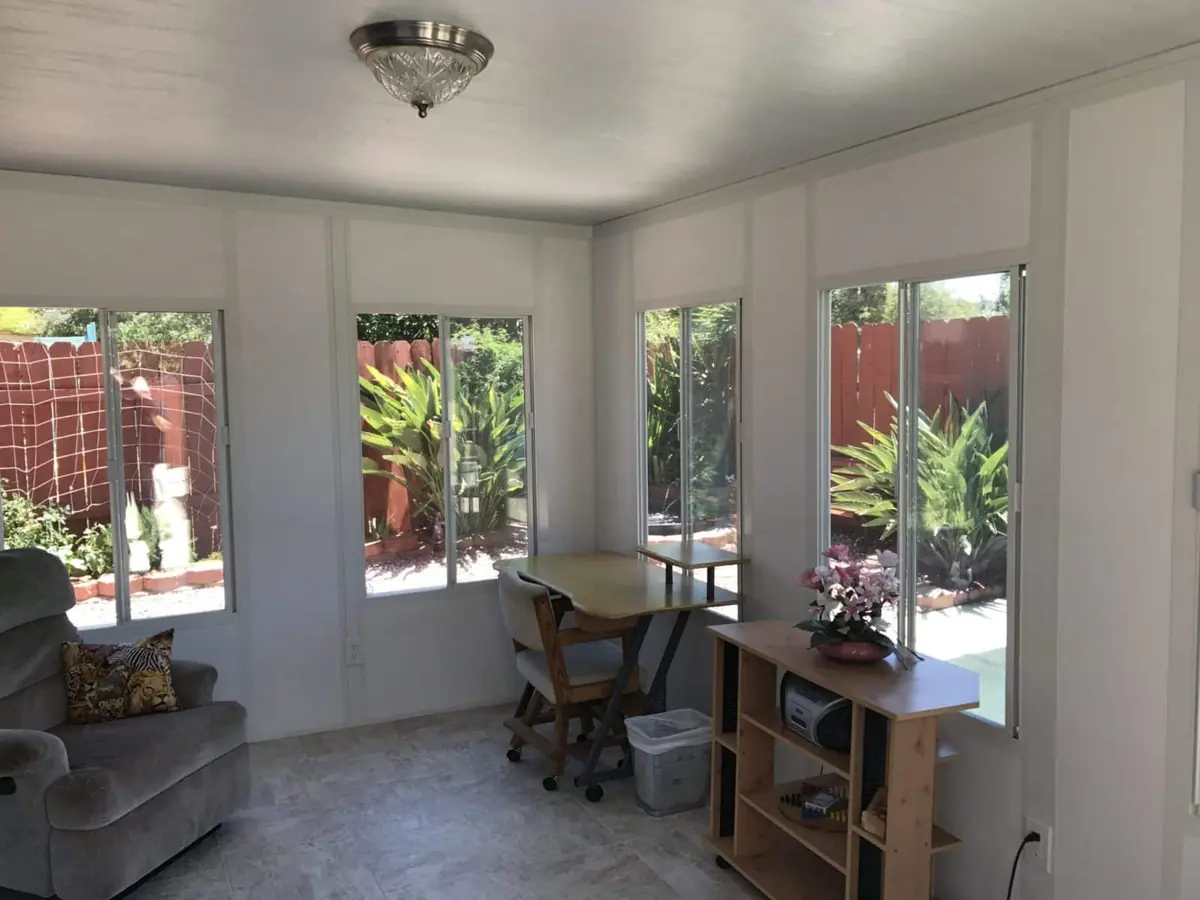
What a three-season room is
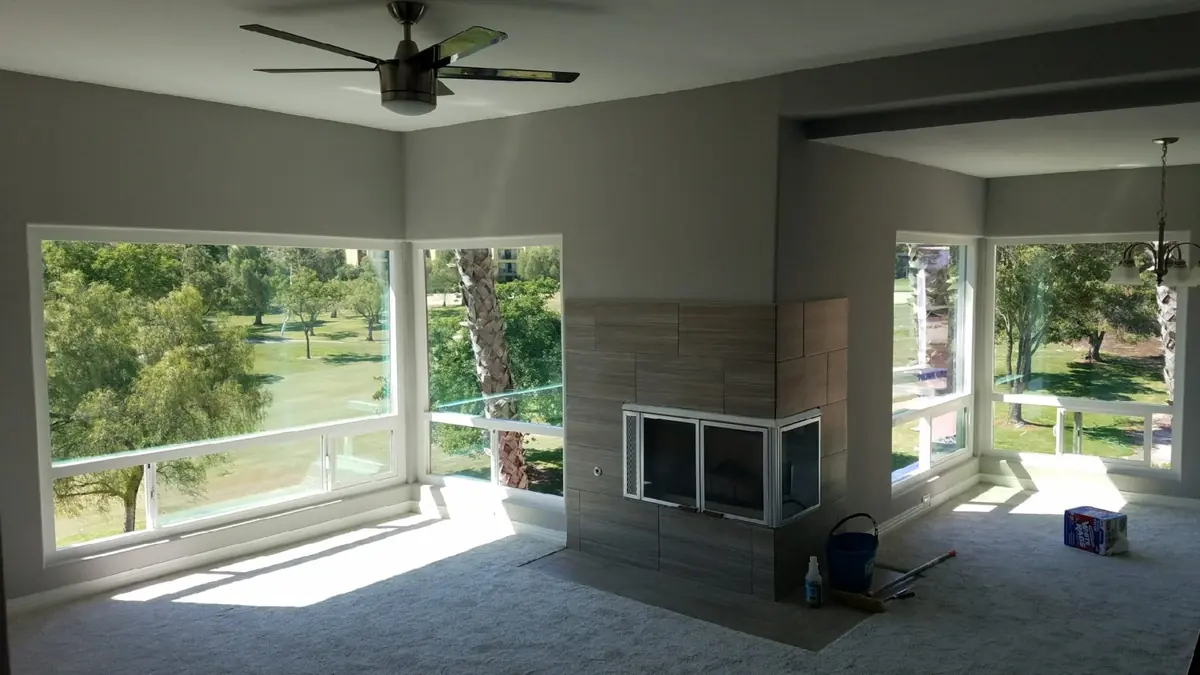
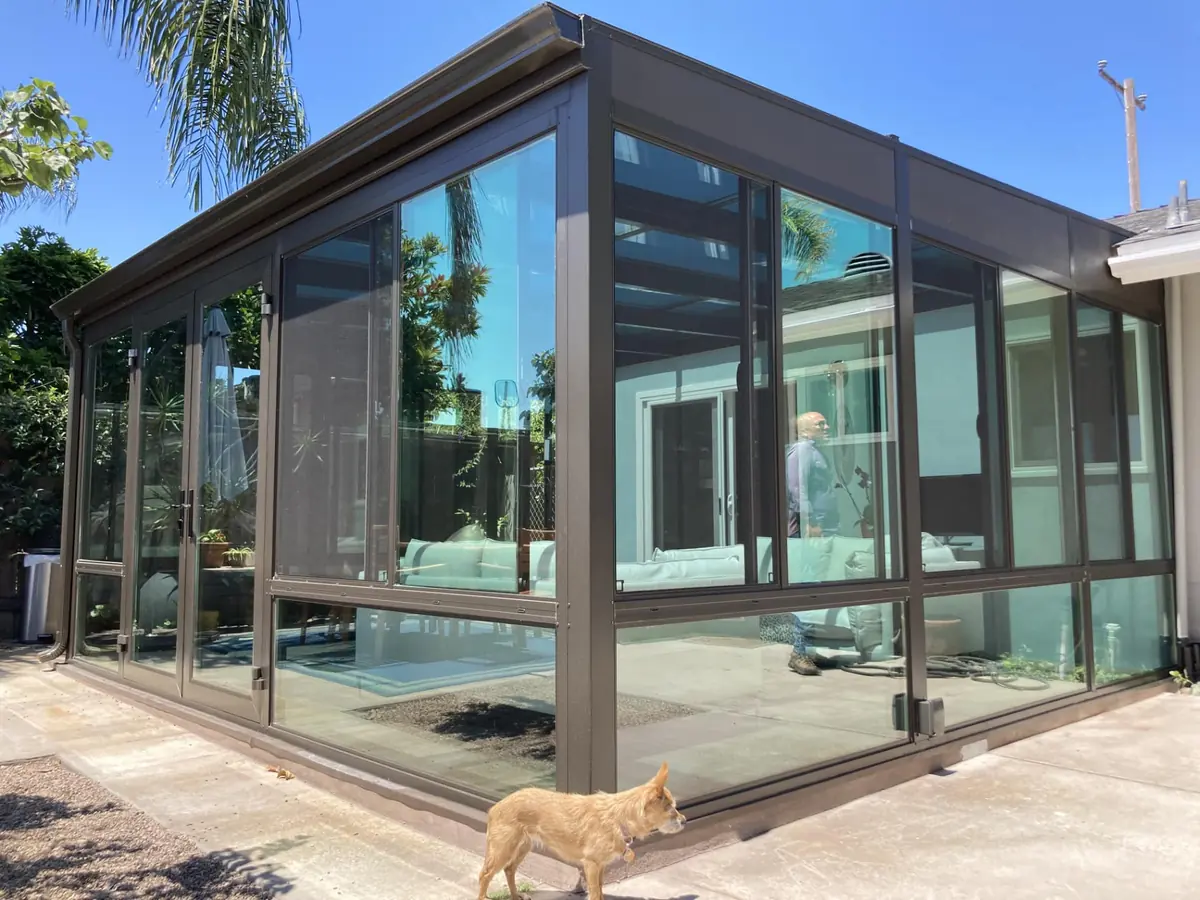
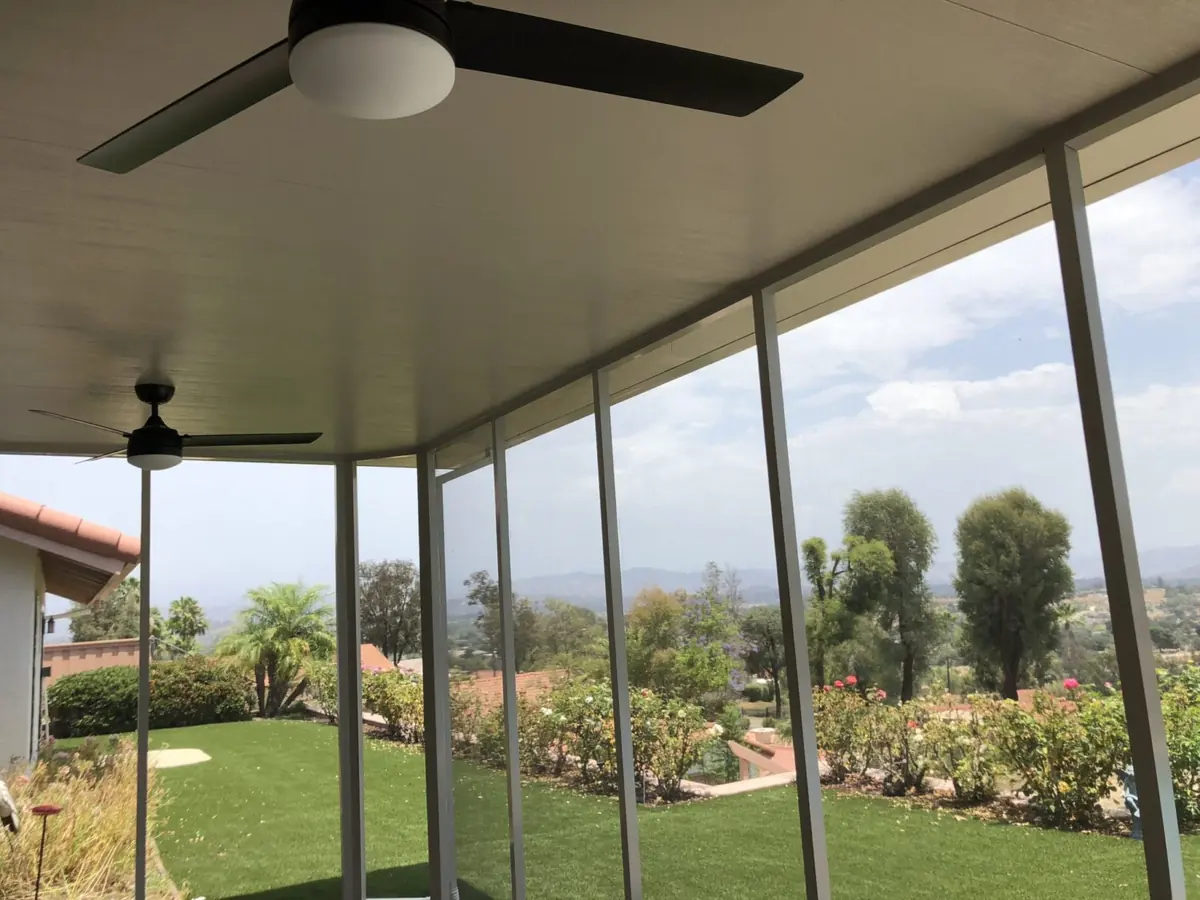
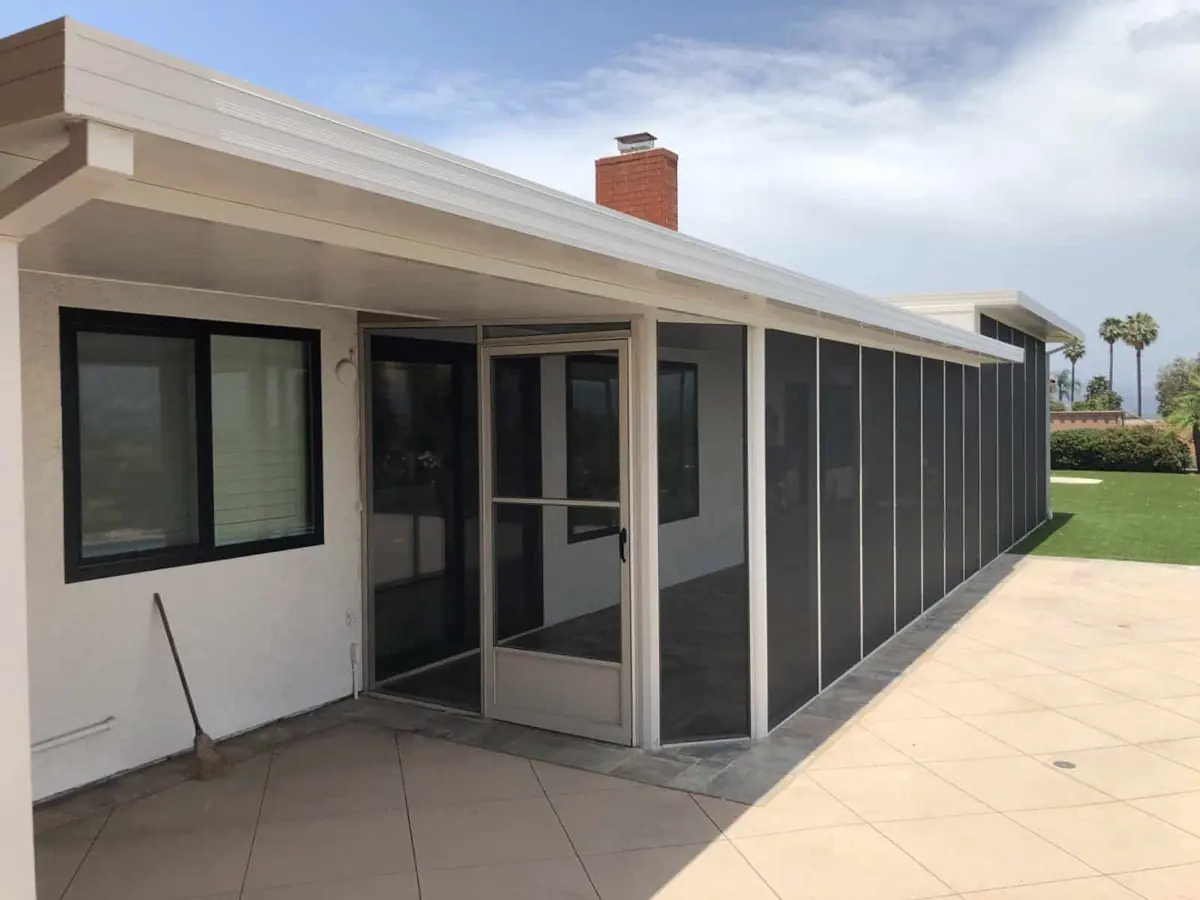
A three-season room is enclosed with windows, often single-pane glass or vinyl panels, under a solid or insulated roof. It is not heated or cooled and is usually separated from the house by an exterior door, so it stays a little warmer or cooler than outside rather than matching your living room.
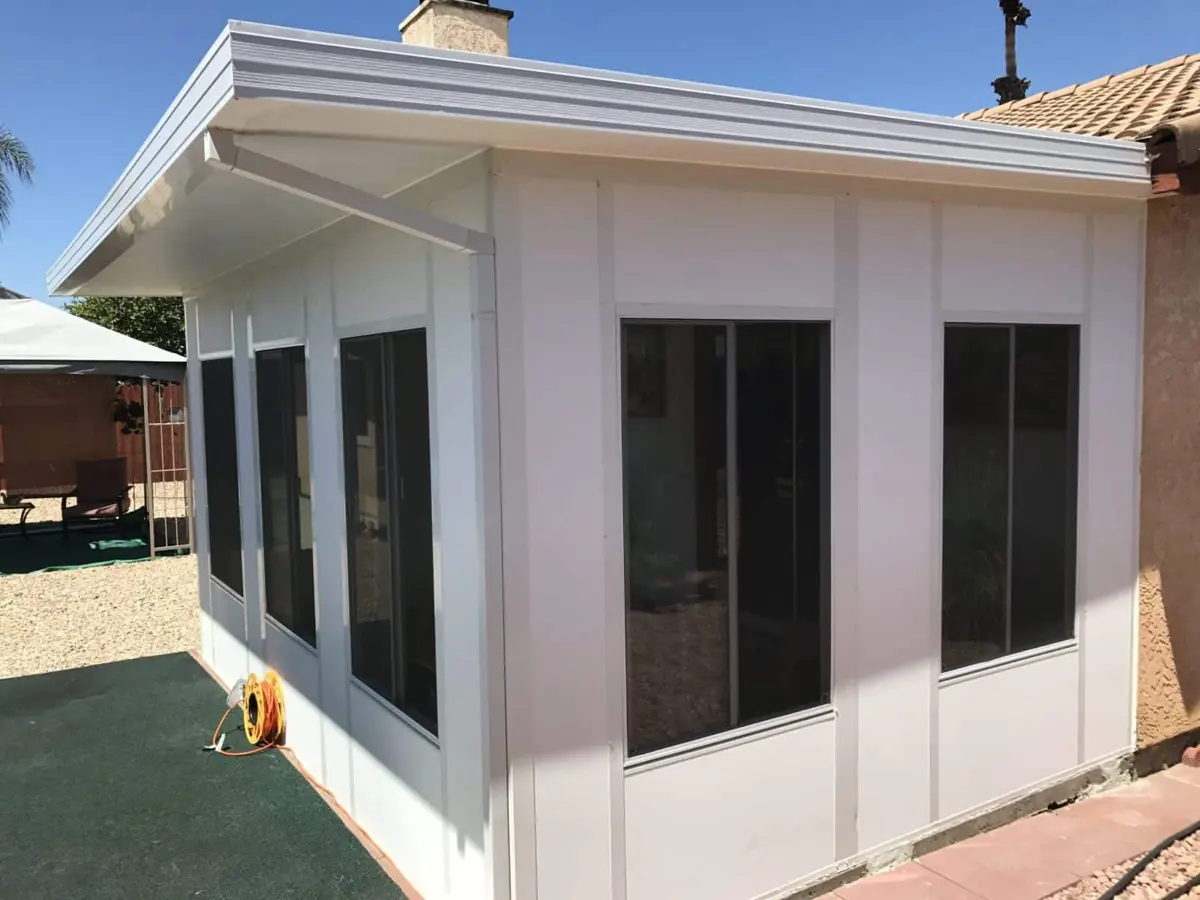
Why it works so well here
San Diego's mild climate is exactly where three-season rooms shine. Near the coast they block wind and evening chill. Inland, they keep out bugs and dust while windows open for airflow. Many homeowners use them as dining rooms, reading rooms or a place for plants and pets.
Three-season vs four-season
- Cost: three-season rooms cost much less, mostly because they skip HVAC and heavy insulation.
- Comfort: expect hot afternoons in inland summers unless the room is shaded or has an insulated roof.
- Upgrade path: some systems can be upgraded later with better glass and a mini-split, so ask about this at your estimate.
Permits
Sunrooms are reviewed as additions in most San Diego County cities, so plan on a building permit with structural plans. Building codes sort sunrooms into categories, from screen-only rooms up to fully conditioned rooms that open to the house, and the category sets the requirements for glass, structure and energy performance. A conditioned room also has to meet California's energy code. Your contractor should handle the plans and permit and include them in the quote.
What it costs
National figures for three-season rooms range from about $10,000 to $40,000, and enclosure-style three-season rooms can start lower. See the cost guide for San Diego ranges.